




News & Stories
2015

News
Mobile Privacy: What We Know and Don’t Know
Consumers are increasingly addicted to mobile applications. But their implications for personal privacy are insufficiently known. The personal privacy issue has only recently become a subject for intense public interest and concern due to recent world events and revelations. Prof Kai-Lung Hui and Prof James Kwok will confront it head-on, taking the lid off the mystery surrounding how data in mobile phones can be accessed by others and what kinds of data are stored in them, and how such practice could affect or jeopardize personal privacy in a broader context. They will also speak to the emerging privacy challenges associated with mobile applications, and the corresponding government and usage policy considerations needed to address them.
The sharing can now be viewed here.
News
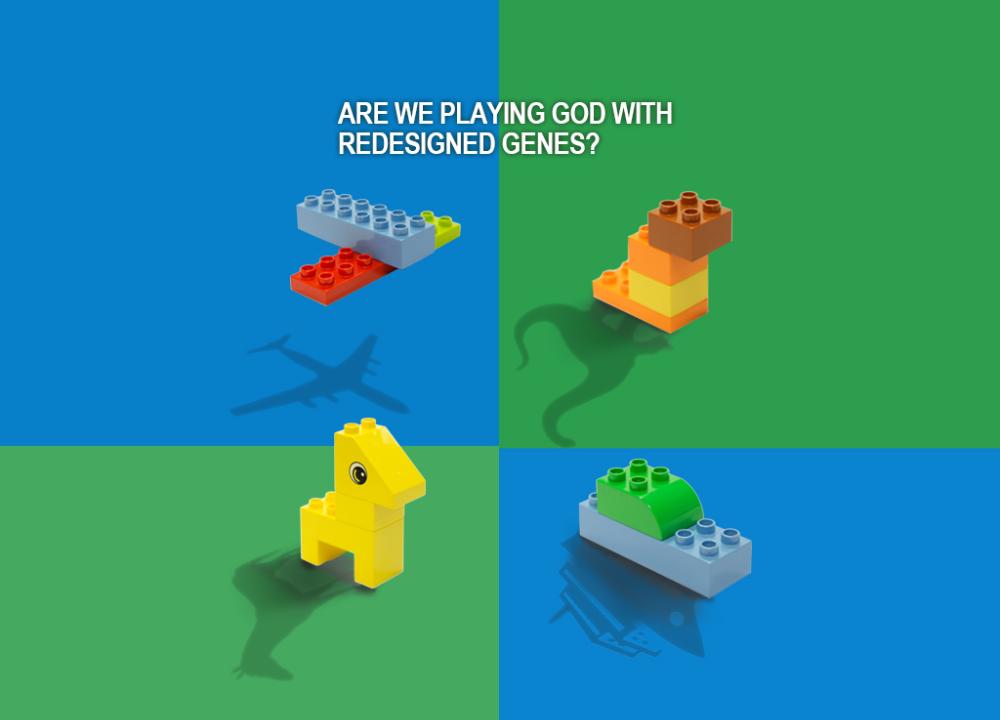
Are We Playing God with Redesigned Genes?
Modern technologies have made us understand the biological world far better, offering hope for human health, giving us a firm grasp of the mechanisms underlying diseases, enabling their early diagnosis, risk assessment, and opening up new treatment strategies. They even allow us to do the unthinkable—redesigning genes to fight infection, develop wonder drugs, improve the environment and provide cheaper energy. Is synthetic biology the cure to all our ills or are we playing God with it? Do we reject this novel technology or harness it for the benefit of humanity? Earlier speaking in the HKUST’s Science-for-Lunch Talk, Prof King Chow has shared with the audience his insights on the topic.
The sharing can now be viewed here.
News
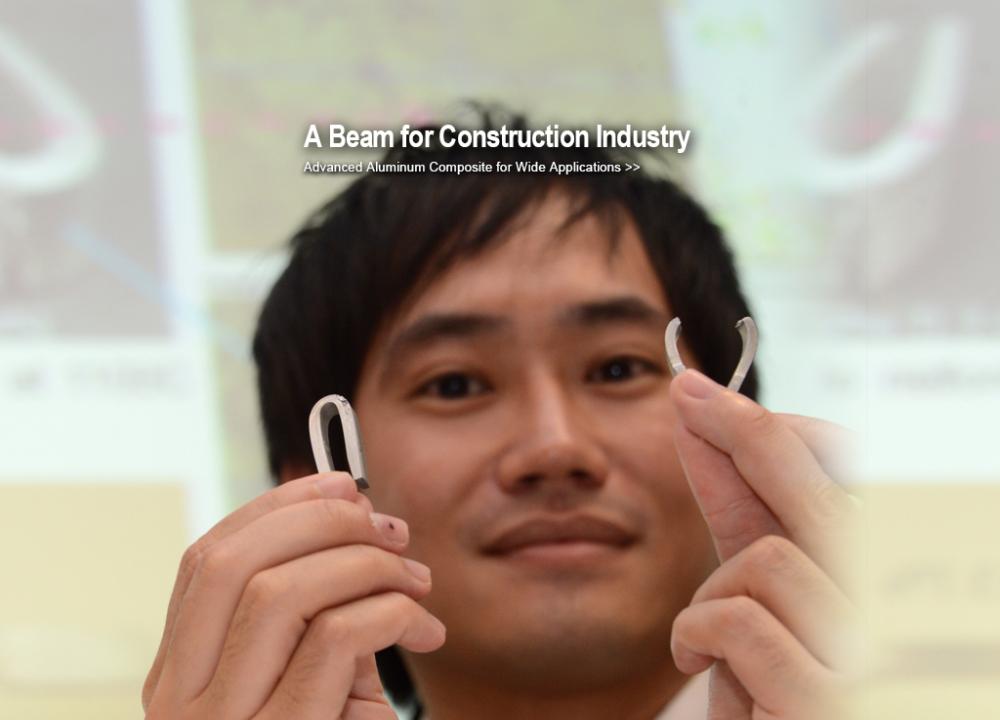
A beam for Construction Industry – Advanced Aluminum Composite for Wide Applications
It started off as a mission to seek wider application for aluminum in the construction industry, then it turned into something much bigger.
When Prof Yui-bun Chan from the Department of Civil and Environmental Engineering began his research, funded by the world’s leading aluminum producer UC RUSAL, in 2011, he was mainly looking for ways that would give aluminum more roles in buildings other than being used largely on window frames. However, weeks before the three-year research is due to end, Prof Chan discovered a technique that gave rise to a new aluminum composite – Fiber Reinforced Aluminum (FRA), which completely changed the picture.

News
The Wonderful World of 5-G Wireless Systems
The world is now using the 4-G wireless systems but the research community is already hard at work creating the next generation 5-G wireless systems, expected to arrive by 2020. What sets the future 5-G apart from the current 4-G? It will have a data capacity 1000 times greater, connecting up 1000 times more devices with energy efficiency 1000 times better, translating into faster bit rate and significantly lower latency. In addition, it will support new application scenarios such as machine-to-machine communications. Such goals are not easily achievable. Earlier speaking in the HKUST’s Science-for-Lunch Talk, Prof Vincent Lau has shared the new vision and applications as well as technical challenges and opportunities.
The sharing can now be viewed here.
2014
News
HKUST Physicists Control Photon's Shape for Record Loading Efficiency into a Cavity
A research team at the Hong Kong University of Science and Technology (HKUST), led by Prof Shengwang Du, Associate Professor of Department of Physics, succeeded in controlling photon’s shape, and reached a record photon loading efficiency of 87% into a cavity. The scientific breakthrough can be used to build nodes of a quantum network based on cavity quantum electrodynamics (CQED) and will help advance the development of quantum communication. The research findings were published recently in Physical Review Letters, one of the most prestigious journals in physics.
News
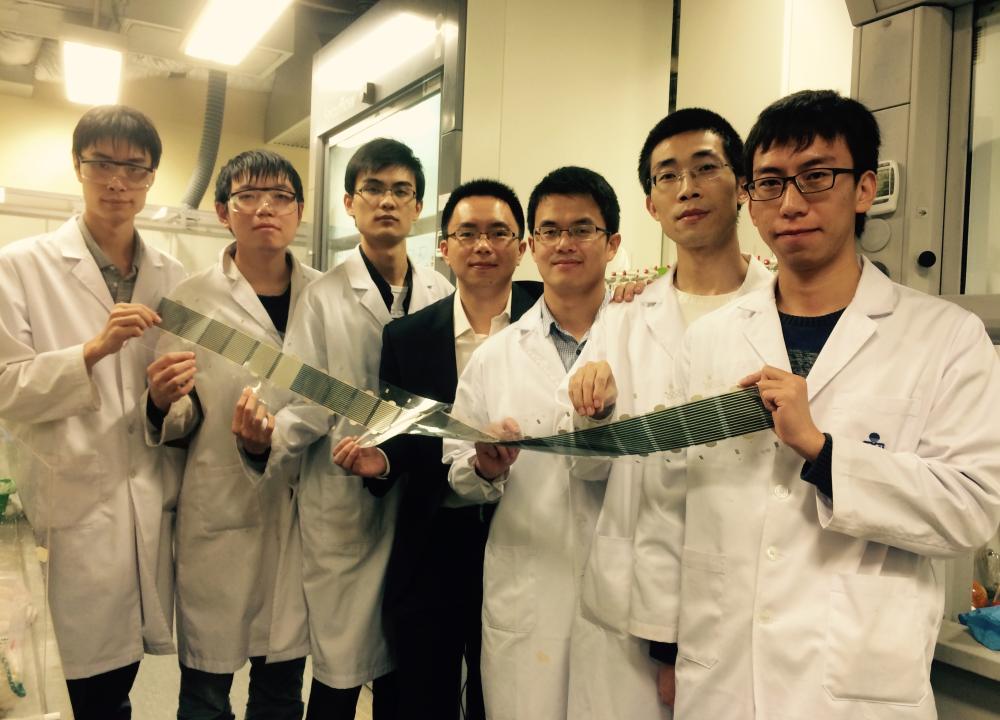
HKUST develops materials for record efficiency polymer solar cells
A research team at the Hong Kong University of Science and Technology (HKUST) has developed a family of polymer and fullerene materials that enabled multiple cases of high-efficiency polymer solar cells. The team, led by Prof He Yan of the Department of Chemistry, discovered a material design motif that led to three new polymers and over ten high-performance material combinations yielding solar cell efficiencies of up to 10.8%, a new record for single-junction polymer solar cells.
News
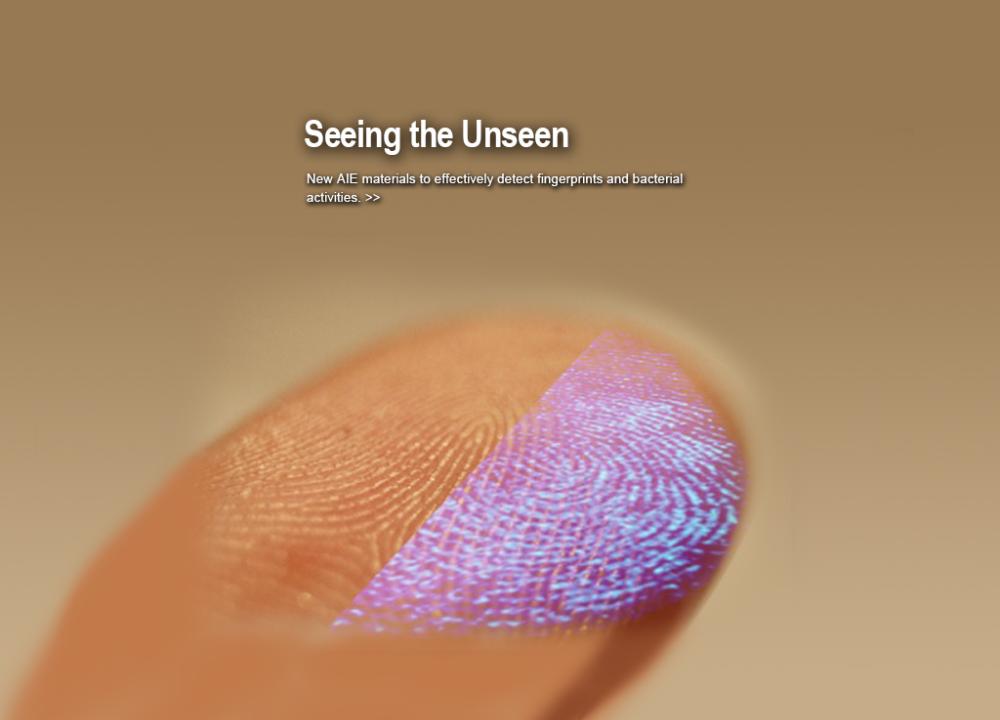
Seeing the Unseen
A HKUST research team led by Prof Benzhong Tang,Stephen Kam-chuen Cheong Professor of Science, Chair Professor of Chemistry at HKUST, has discovered new aggregation-induced emission (AIE) materials which could be used for applications in forensic science and bacterial imaging.
The new AIE materials produce fingerprints of much better quality as compared to carbon powder, saving 90 per cent of the time in evidence collection. They also make a more accurate and stable agent in detecting bacterial activities.
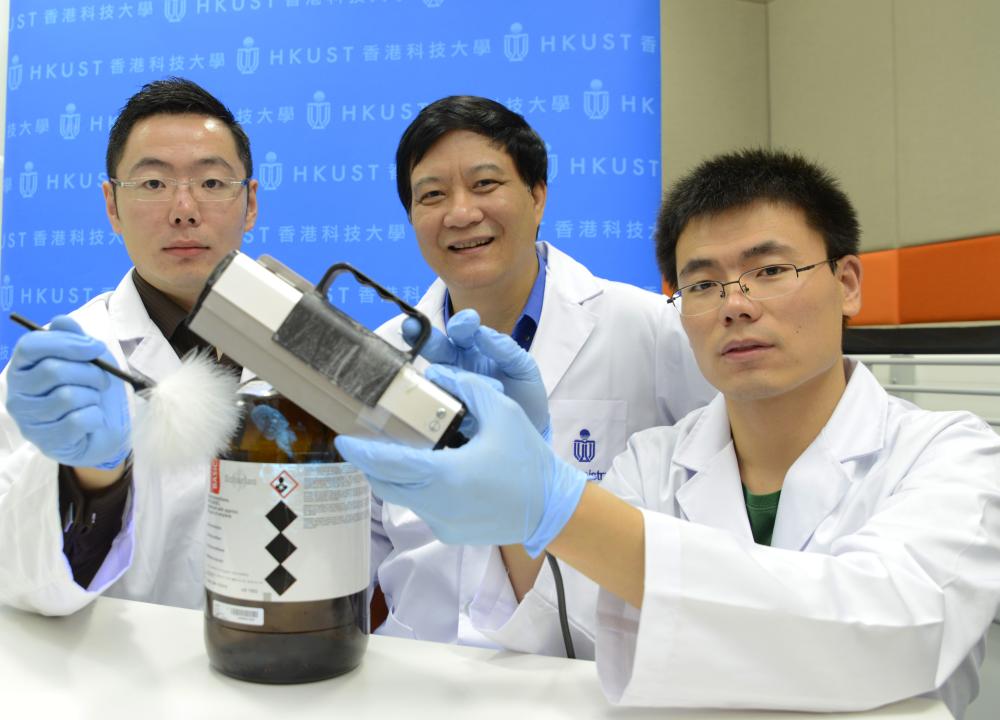
Prof Benzhong Tang said AIE gives fingerprints of much better quality and more efficiently than the carbon powder which is now being used by police.
AIE does not involve a transfer. Police can simply take a picture of a fingerprint, which turns fluorescent when stained with the AIE material, then send the image to a smart device for comparison on a database.
News
HKUST Discovers New Aggregation-Induced Emission (AIE) Materials for Applications in Forensic Science and Bacterial Imaging
A Hong Kong University of Science and Technology research team led by Prof Benzhong Tang - Stephen Kam-chuen Cheong Professor of Science, Chair Professor of Chemistry and a member of the Chinese Academy of Sciences, has discovered new AIE materials which could be used on visualizing fingerprints and revealing bacteria with greater effectiveness. The new materials not only produce fingerprints of much better quality as compared to carbon powder, saving 90 per cent of the time in evidence collection, they also make a more accurate and stable agent in detecting bacterial activities.
Prof Tang has developed numerous AIE materials ever since his discovery of the AIE phenomenon in 2001, they were applied in a wide range of areas including high-performance OLEDs, cancer screening and environmental monitoring. His latest discoveries have expanded AIE’s applications into the arena of forensic science and bacterial detection.