




News & Stories
2026
News
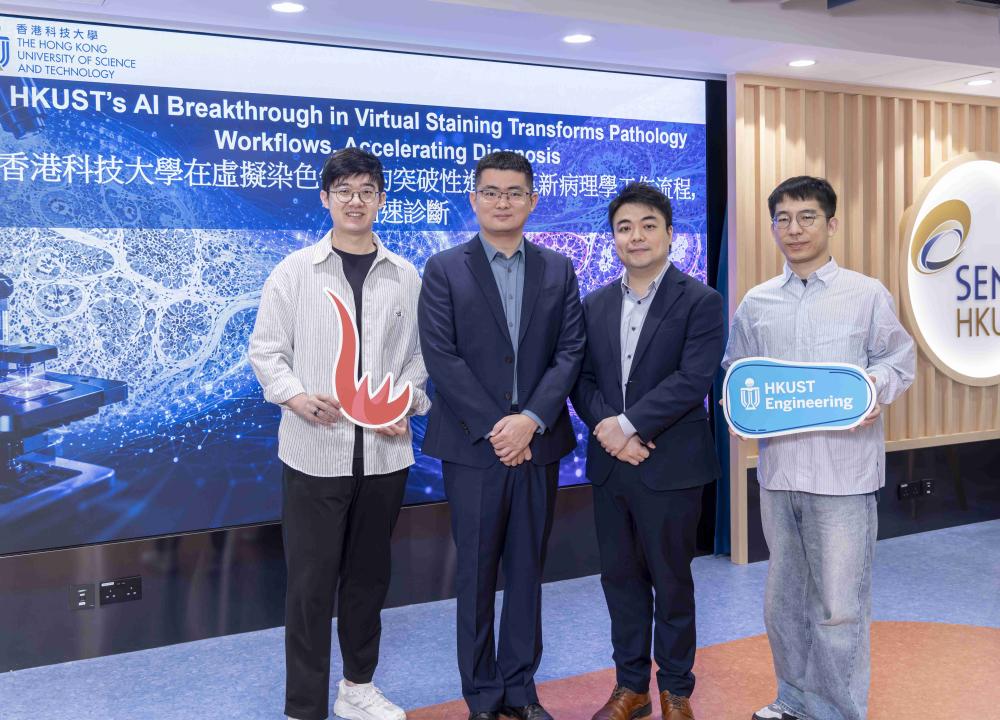
HKUST Researchers Develop GenAI Framework for Misalignment-Resistant Virtual Staining to Accelerate Histopathology Workflows
Histopathology is a cornerstone of clinical diagnosis, especially in cancer care. However, conventional chemical staining is often time-consuming and labor-intensive and may consume precious tissue samples. A research team from the School of Engineering at The Hong Kong University of Science and Technology (HKUST) has developed a novel generative AI (GenAI) framework that can produce high-fidelity virtually stained images even when training image pairs are imperfectly aligned, paving the way for faster and more tissue-saving histopathology workflows. The study titled “Generative AI for misalignment-resistant virtual staining to accelerate histopathology workflows” was recently published in the international journal Nature Communications.
News
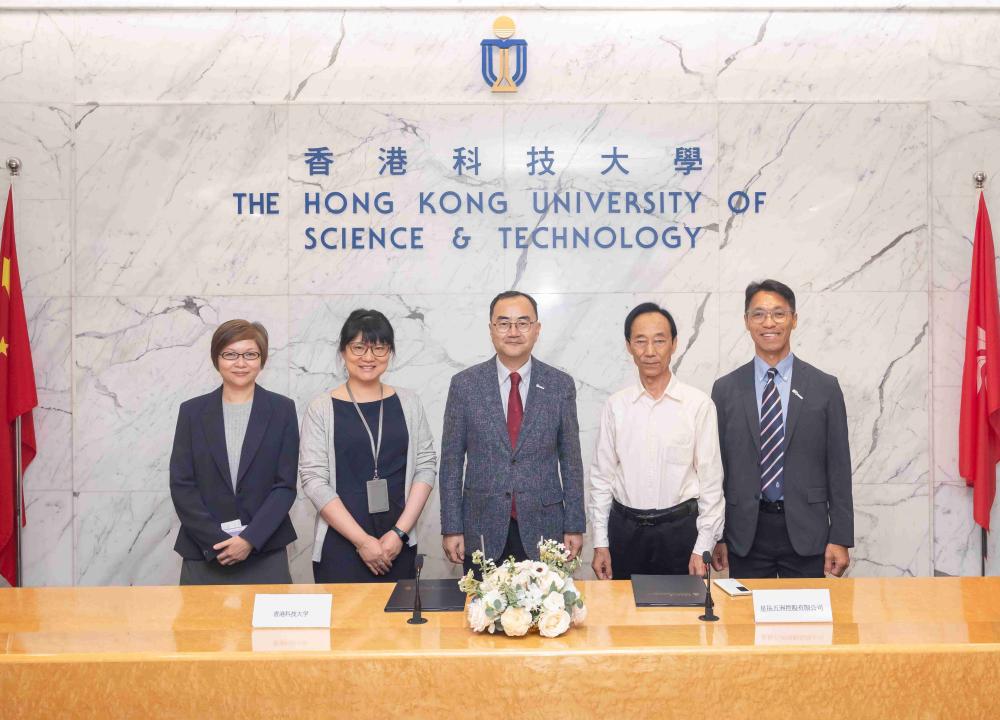
HKUST Secures Support from Stellar Rise for In-Orbit Bio-Inspired Robotic Project
The Centre for AI Robotics in Space Sustainability (CAIRSS) at The Hong Kong University of Science and Technology (HKUST) has secured HKD 46 million in funding from Stellar Rise Global Holdings Limited (Stellar Rise) to develop advanced bio-inspired robotic manipulation technologies for in-orbit operations. The project aims to support space debris removal and enable next-generation in-orbit manufacturing. With strong backing from the Chinese Academy of Sciences (CAS)’ institutions, the project targets an in-orbit demonstration by 2029, contributing to the sustainable development of space technology and the space economy, while supporting the nation's goal of advancing its position as an aerospace powerhouse.
News
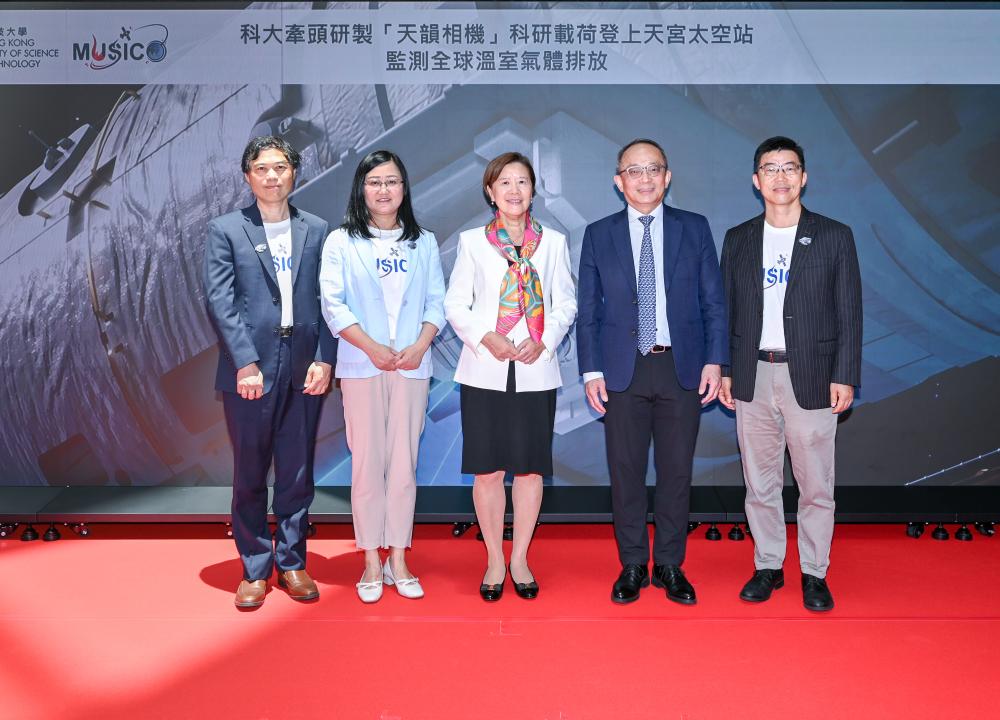
World’s First Lightweight High Resolution High Precision CO₂ and CH₄ Point Source Detector “MUSICO” Arrives at Tiangong Space Station via Tianzhou-10
The world’s first lightweight, high‑resolution, high‑precision synergistic observatory for carbon dioxide (CO₂) and methane (CH₄) emission point sources – named “MUSICO”, Multi‑Spectral Imaging Carbon Observatory, led by The Hong Kong University of Science and Technology (HKUST) – was successfully launched aboard the Tianzhou‑10 cargo spacecraft on May 11 and has arrived at China’s Tiangong Space Station. This is not only Hong Kong’s first scientific payload deployed on the national space station, but also a historic breakthrough for the city in the development of high‑end aerospace instruments. The project fully demonstrates Hong Kong’s strong capability to build national‑level cutting-edge scientific payloads, to participate in long‑term space station missions, and to play a key role in addressing global climate change while serving the nation’s strategic “carbon peak and carbon neutrality” goals.
News
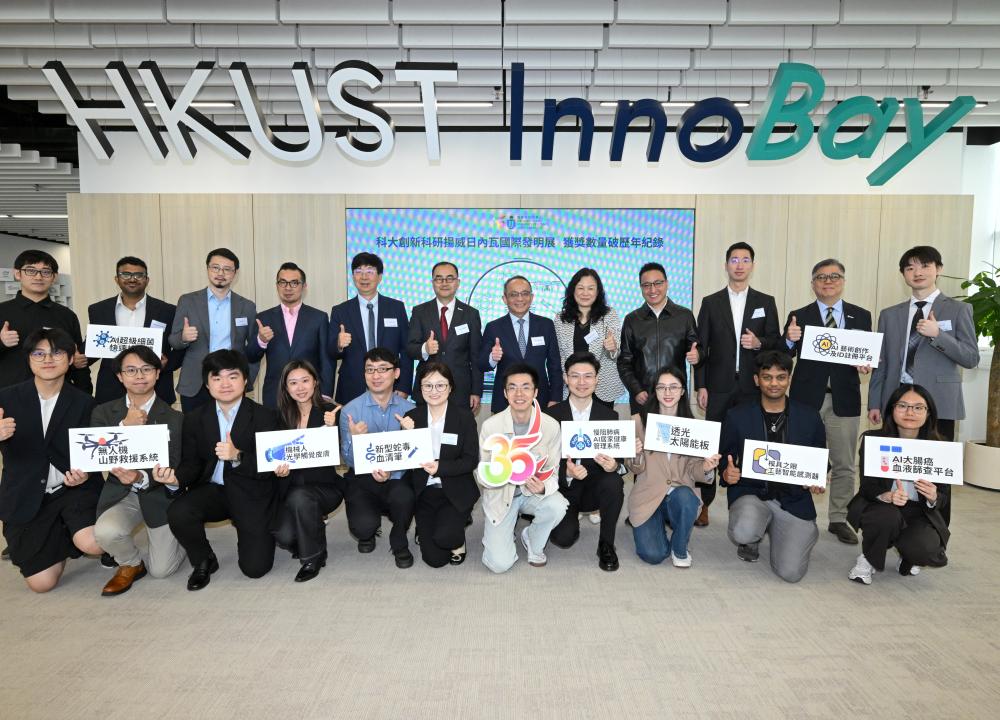
HKUST Innovations Shine at the International Exhibition of Inventions Geneva
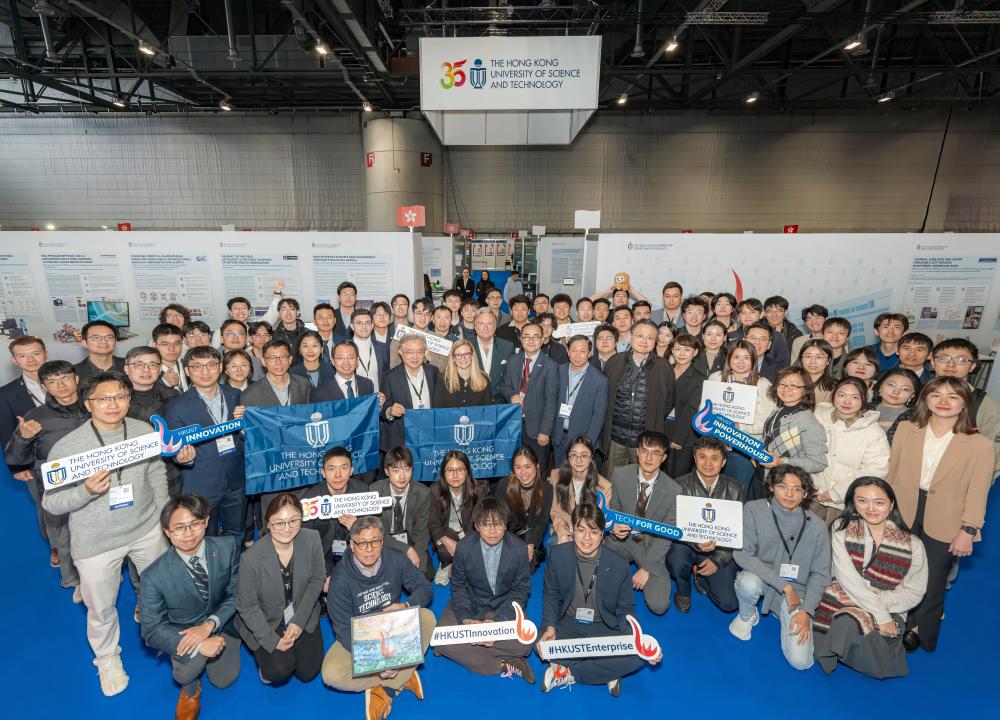
The Hong Kong University of Science and Technology (HKUST) today showcased its award-winning inventions, which were recognized at the 51st International Exhibition of Inventions Geneva (Geneva Inventions Expo). The University's 62 participating teams won a total of 62 accolades, including 13 Gold Medals with Congratulations of the Jury, 20 Gold Medals, 20 Silver Medals, and 9 Bronze Medals. This year's achievements set a new record for the University and make it the highest-awarded higher education institution in Hong Kong.
News
HKUST-led Hong Kong Space Robotics and Energy Centre Partners with Southeast University to Advance Deep Space Exploration Supporting the National Goal of Becoming an Aerospace Powerhouse
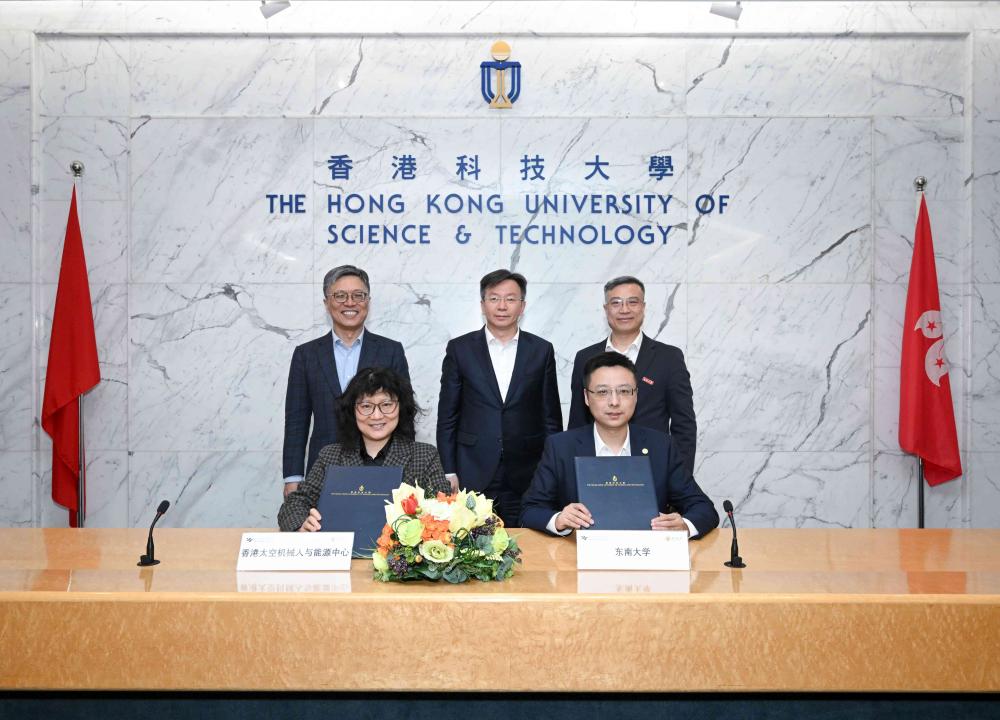
Led by The Hong Kong University of Science and Technology (HKUST), the Hong Kong Space Robotics and Energy Centre (HKSREC), under the InnoHK Research Clusters of the HKSAR Government, has signed a Memorandum of Understanding (MoU) with Southeast University (SEU) to establish a long-term strategic partnership. The collaboration will focus on research innovation, technology transfer, and talent cultivation in the fields of space robotics, deep space energy systems, embodied intelligence, and related interdisciplinary areas, thereby contributing to the nation’s efforts to build a leading aerospace power.A delegation led by the Nanjing Municipal People's Government visited HKUST's Clear Water Bay campus on March 8. They engaged in an insightful discussion with the University’s management and representatives, and toured the State Key Laboratory of Displays and Optoelectronics, where HKUST's latest research innovations were showcased.
News
HKUST Wins Record-Breaking Accolades at 51st International Exhibition of Inventions Geneva
The Hong Kong University of Science and Technology (HKUST) won a total of 62 accolades at the 51st International Exhibition of Inventions Geneva (Geneva Inventions Expo). This resounding success underscores the University's exceptional capabilities in "AI + X" interdisciplinary innovation and its commitment to translating cutting-edge research into real-world impact.
News
HKUST Develops Breakthrough High‑Efficiency, Low‑Cost Wastewater Treatment Technology
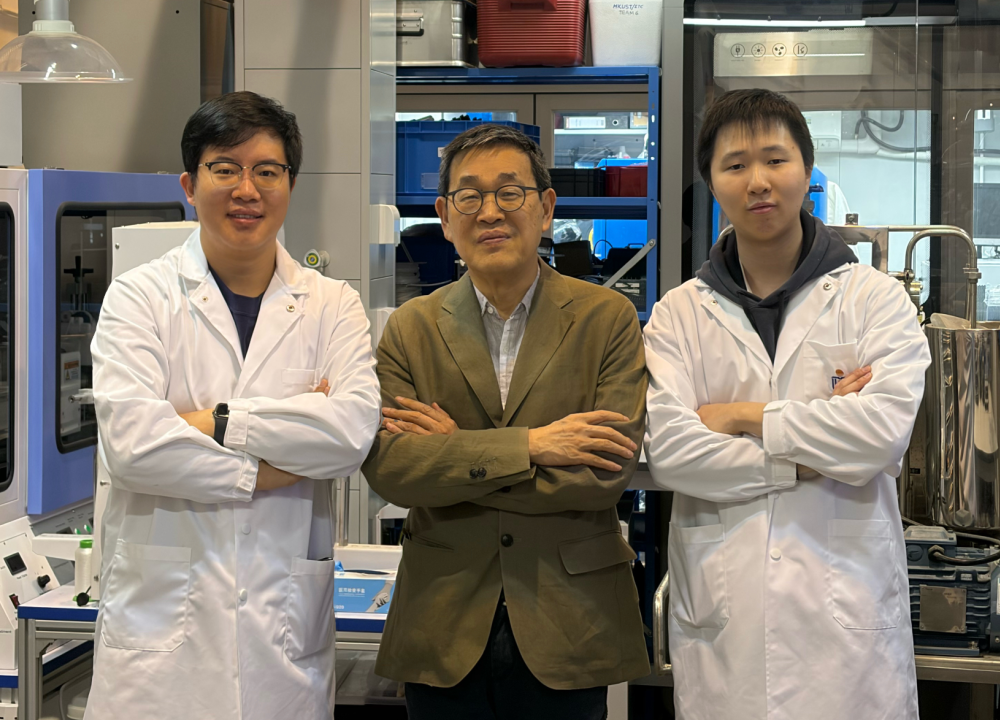
The Hong Kong University of Science and Technology (HKUST) research team has developed a groundbreaking wastewater treatment technology that integrates a mesh bioreactor with an ultrasound-induced transient cavitation cleaning mechanism. The system can complete mesh cleaning within 3.8 seconds under anaerobic conditions and achieves 10-20 times higher flux than conventional membrane bioreactors (MBRs). The technology operates efficiently with substantially lower energy consumption, produces treated effluent surpassing international and local discharge standards, and reduces the cost of treating each cubic metre of wastewater to 50% of conventional MBRs, offering a sustainable solution for both municipal and industrial wastewater treatment.
News
HKUST's AI Breakthrough Transforms Storm Forecasting Enabling Earlier Life-Saving Warnings
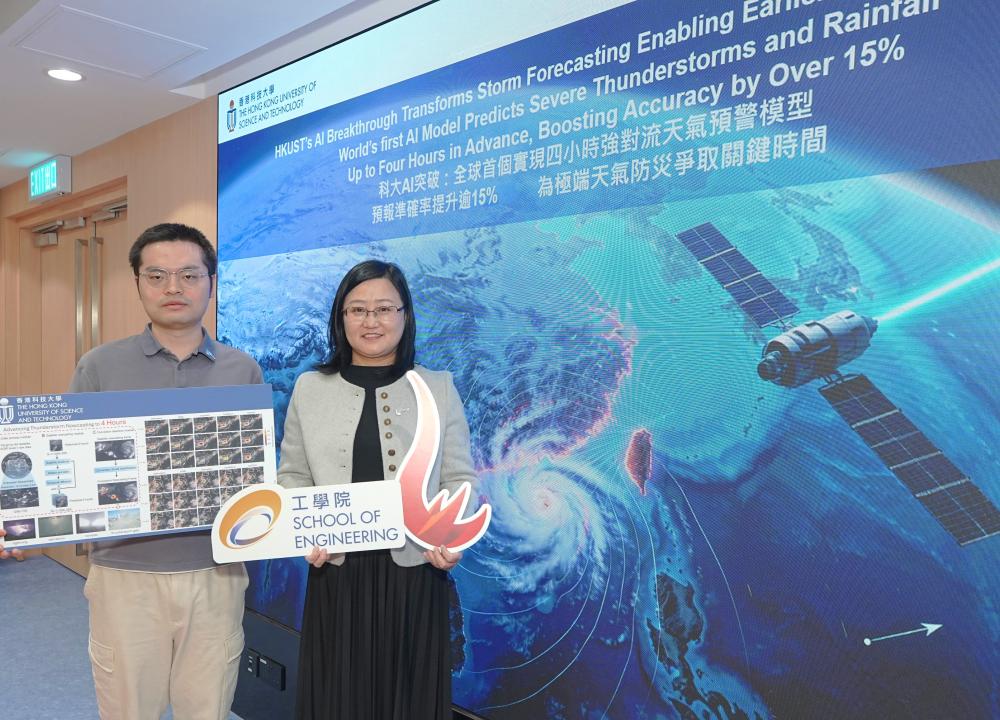
In a critical advance for climate resilience, researchers from The Hong Kong University of Science and Technology (HKUST) have developed an AI model that can predict dangerous convective storms—including Black Rainstorms, thunderstorms and extreme heavy rainfall like those that have hit Hong Kong—up to four hours before they strike. This world-first technology, developed in collaboration with national meteorological institutions and powered by satellite data and advanced deep diffusion technology, improves forecast accuracy by over 15% at the 48‑kilometer spatial scale compared with existing systems. This breakthrough strengthens the overall accuracy of the national weather forecasting system and promises to transform early warning systems for vulnerable communities across Asia.