




News & Stories
2024

News
HKUST Enhances Campus EV Charging Infrastructure to Promote Sustainability
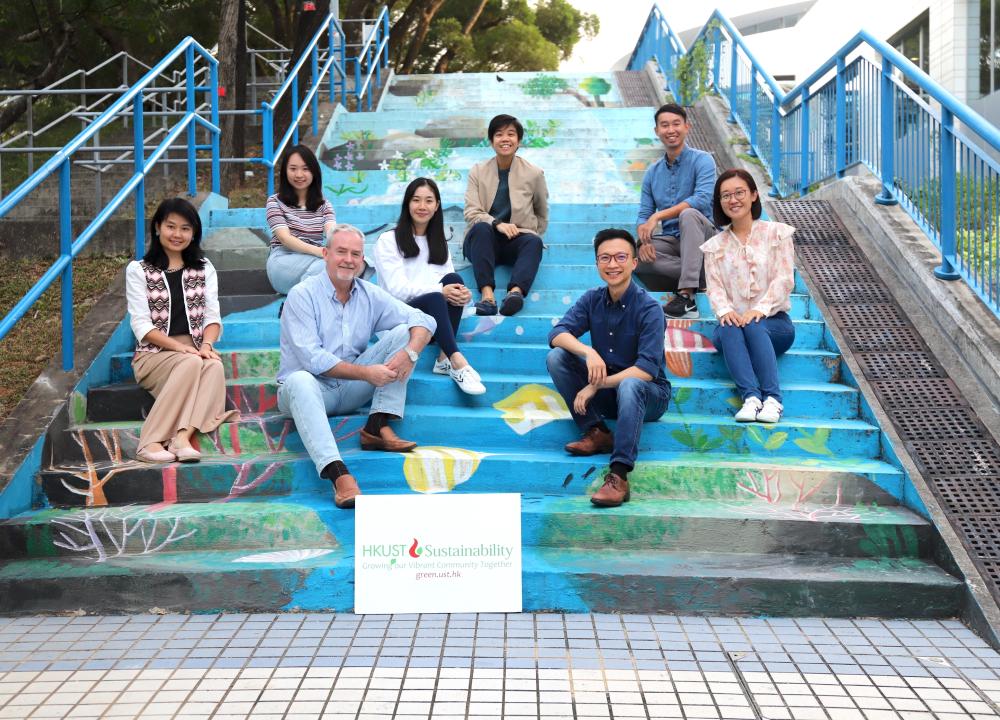
The Hong Kong University of Science and Technology (HKUST) is investing up to HK$40 million to upgrade 30% of its total parking space with charging capability and related software support for electric vehicles (EV). The initiative aims to cultivate a sustainable commuting habit and supports emission reduction goals in the HKUST 2028 Sustainability Challenge.HKUST is set to become the most EV-friendly university in Hong Kong with the completion of the EV charging infrastructure enhancement project, which will see approximately 360 parking spaces on campus fitted with medium EV chargers, providing an output power of no less than 7kW. The initiative not only supports the HKSAR Government's Roadmap on Popularization of EVs, but also accelerates opportunities to reduce emissions from University-owned vehicles and indirect emissions from commuting.
2022
News
HKUST Develops World’s Most Durable Hydrogen Fuel Cell
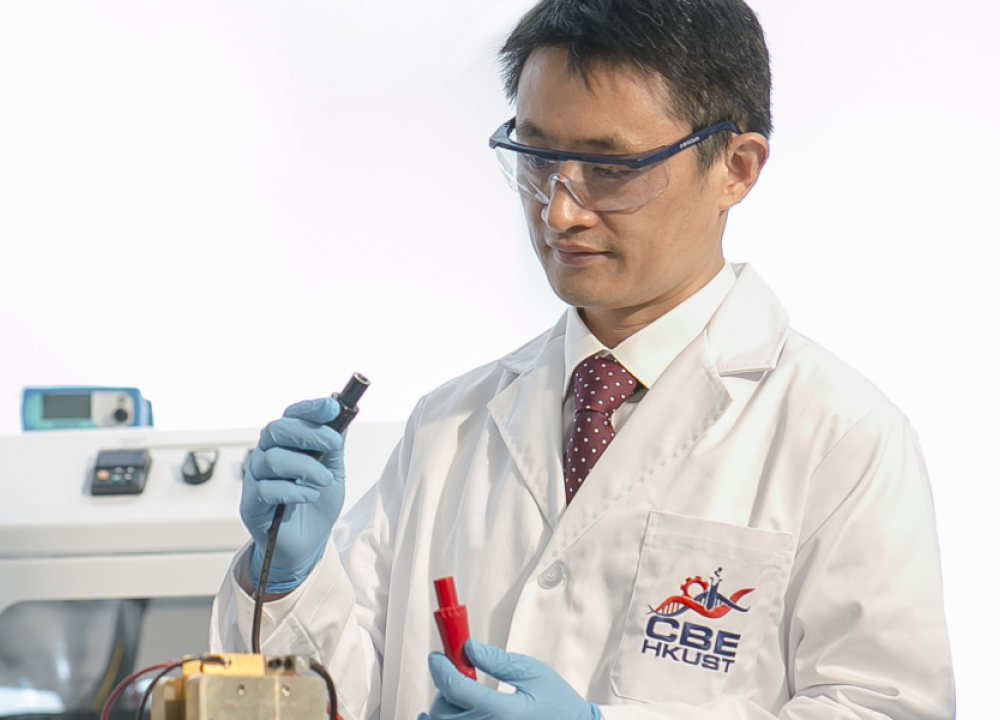
Researchers at The Hong Kong University of Science and Technology (HKUST) have developed a new hydrogen fuel cell which is not only the world’s most durable1 to date, but is also more cost-effective, paving way for a wider application of green energy in the pursuit of a carbon neutral world.Hydrogen fuel cell is a promising clean energy option as it generates power by converting hydrogen and oxygen into electricity, with zero emission of carbon dioxide, particulate matters and other air pollutants that may cause smog and other health problems. Despite its environmental benefits and years of development, hydrogen fuel cell was still not widely commercialized. That is because its power generation depends heavily on an electrocatalyst - which is largely made up of the expensive and rare metal platinum.
2021
2016

News
HKUST Finds a New Material System that Opens a New Era for Organic Solar Cells
Researchers at The Hong Kong University of Science and Technology (HKUST) have discovered a novel material system that would revolutionize the future development of Organic Solar Cells (OSCs). OSCs based on this new material system have demonstrated ultrafast and efficient charge separation despite a nearly zero charge separation driving force, meaning that the more environmentally-friendly OSCs may be able to perform as good as inorganic solar cells in the future.The breakthrough, discovered by a research team led by Prof. Henry He Yan from the Department of Chemistry, was published in Nature Energy in June.
2011
News
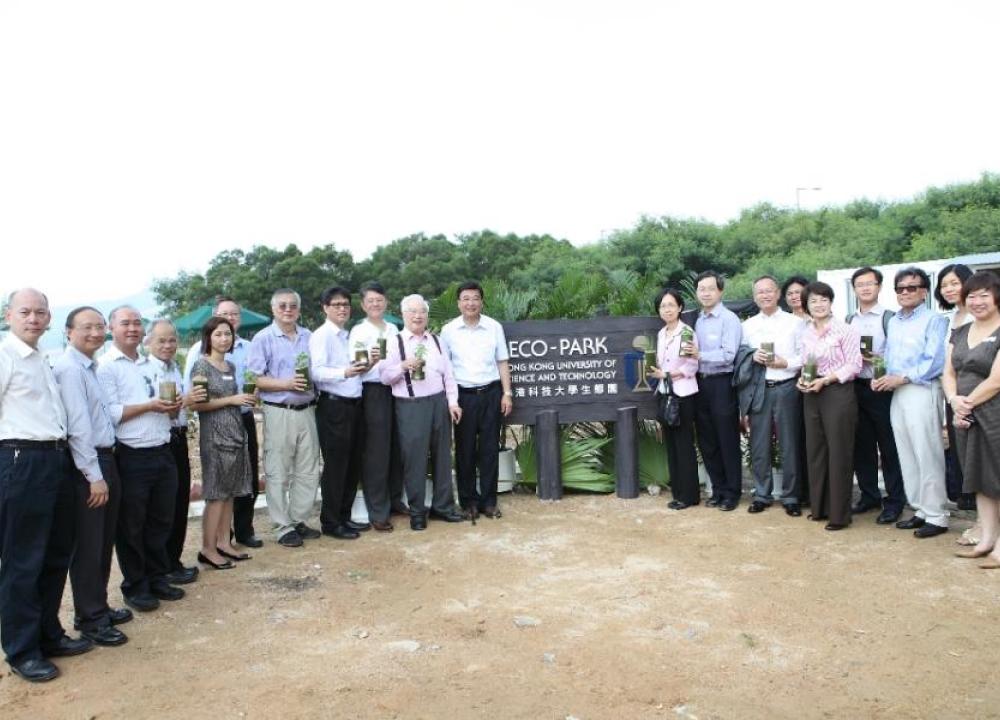
HKUST Builds Hong Kong's First Multi-purpose Eco-Park for Teaching and Research
The Hong Kong University of Science and Technology opened its multi-purpose Eco-Park, the first of its kind in Hong Kong, today (8 September) to promote teaching and academic research on sustainability from a wider perspective.