






News & Stories
2023
2022
News
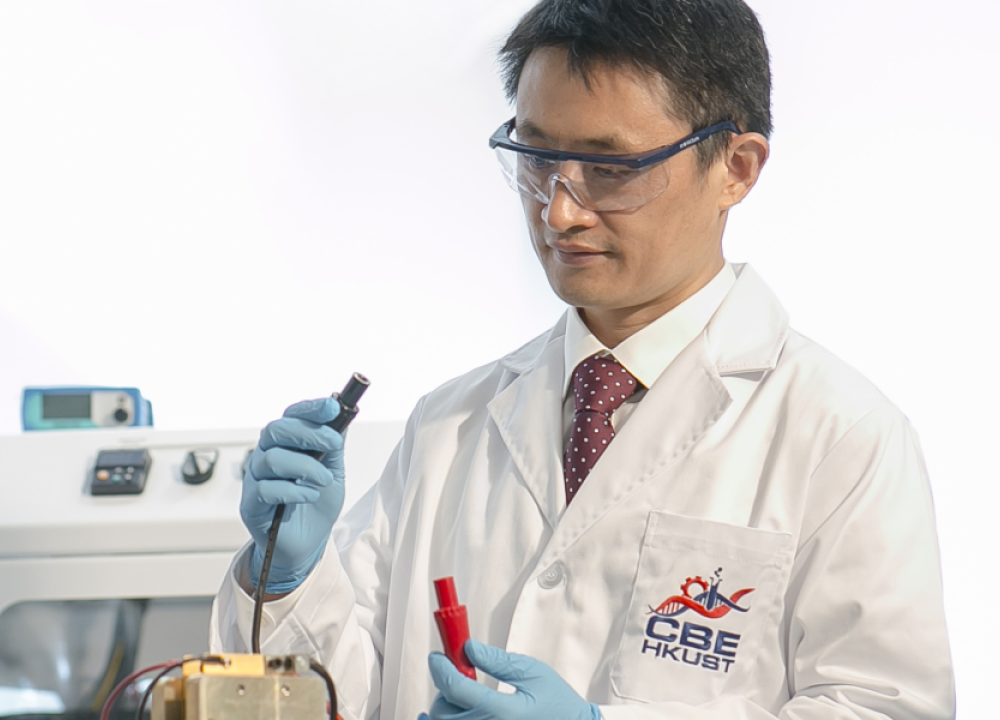
HKUST Develops World’s Most Durable Hydrogen Fuel Cell
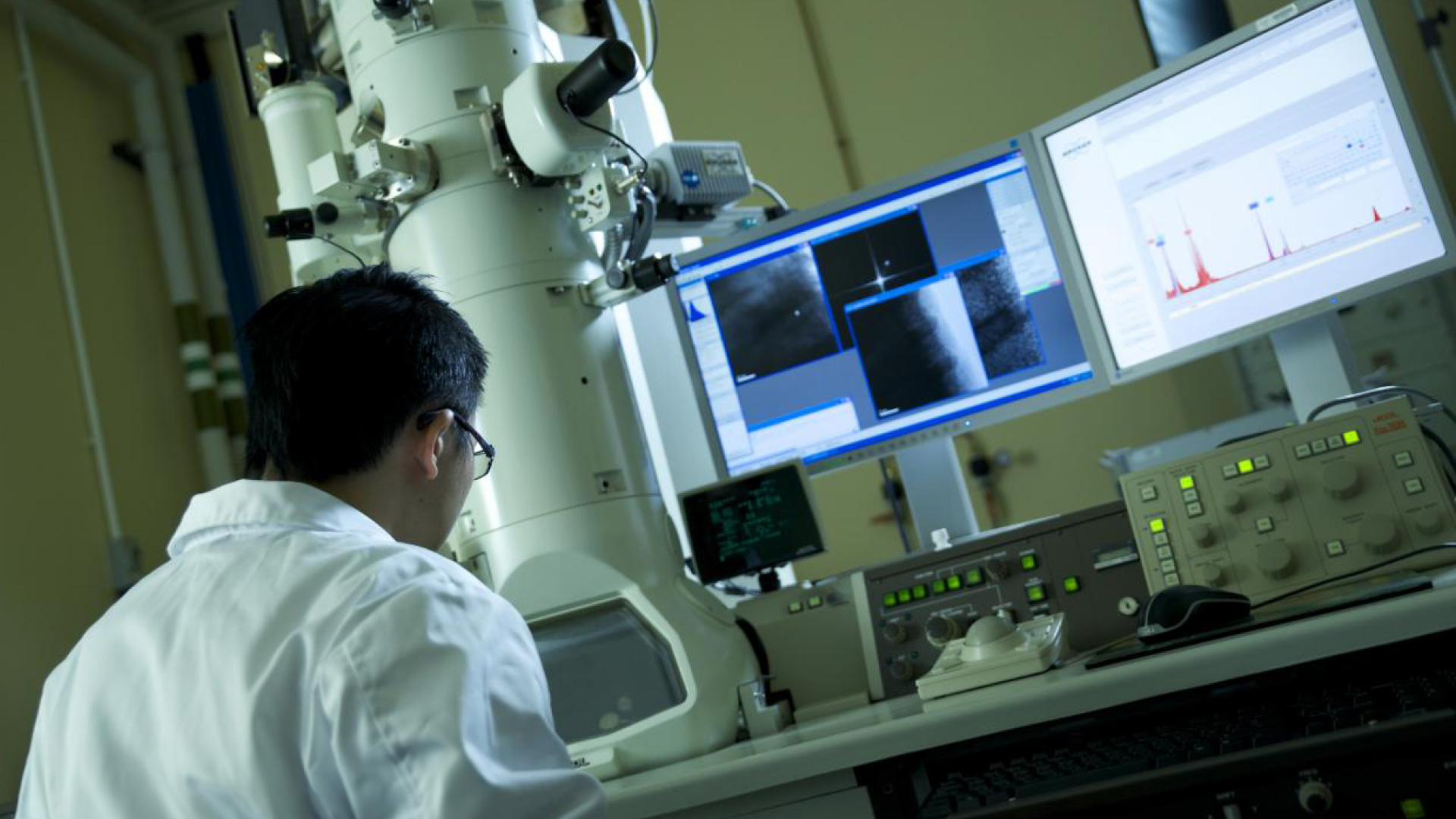
Researchers at The Hong Kong University of Science and Technology (HKUST) have developed a new hydrogen fuel cell which is not only the world’s most durable1 to date, but is also more cost-effective, paving way for a wider application of green energy in the pursuit of a carbon neutral world.Hydrogen fuel cell is a promising clean energy option as it generates power by converting hydrogen and oxygen into electricity, with zero emission of carbon dioxide, particulate matters and other air pollutants that may cause smog and other health problems. Despite its environmental benefits and years of development, hydrogen fuel cell was still not widely commercialized. That is because its power generation depends heavily on an electrocatalyst - which is largely made up of the expensive and rare metal platinum.
2020
News
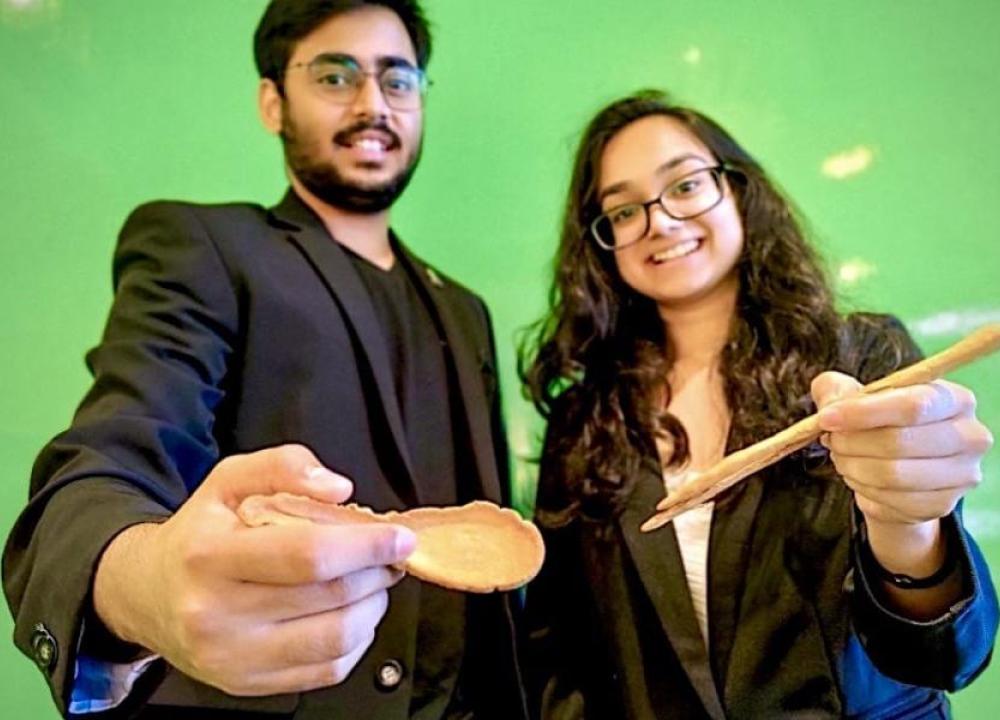
Eat Your Spoons and Forks to Beat Pollution
The rapid growth in food delivery and takeout thanks to the pandemic has led to more plastic waste being dumped in the city’s landfills. To help reduce single-use plastics, have you ever imagined eating your spoons, forks, and chopsticks after finishing your meal? This is what Aditi DEODHAR, Swapnil MISHRA, and Srijan SAXENA, co-founders of Planeteers, do to fight against plastic pollution.“With social-distancing measures in place, it’s safe to assume a lot more people are taking their food home, and that much more plastic is used in the process,” says Aditi. “All that waste will contribute to the city’s landfills.”Government statistics shows that about 166 tons of plastic tableware were disposed every day in 2018, and the figure is probably on an uptrend under the prolonged uncertainty posed by COVID-19.
2021
2019
News
HKUST Researchers Discover New Virus Traits That May Help Fight Global Warming and Develop Anti-virus Drug
Oxygen levels in the ocean have depleted over the past few decades1 due to global warming and emissions of greenhouse gas, causing pollution and disrupting our ecosystem. In efforts to curb the trend, researchers from the Hong Kong University of Science and Technology (HKUST) discovered a mechanism that may eventually help an eco-friendly aquatic bacterium clean up more carbon dioxide in the ocean and produce more marine oxygen. Like trees on land, cyanobacteria, or what commonly known as blue-green algae, perform photosynthesis in the ocean. They provide oxygen for marine life and absorb over 20% of the world’s total carbon emission. However, natural predation and virus infection kill nearly half of the world’s cyanobacteria on a daily basis. A virus called cyanophage alone, wipes out one fifth of the total cyanobacterial population every day.
2011
News
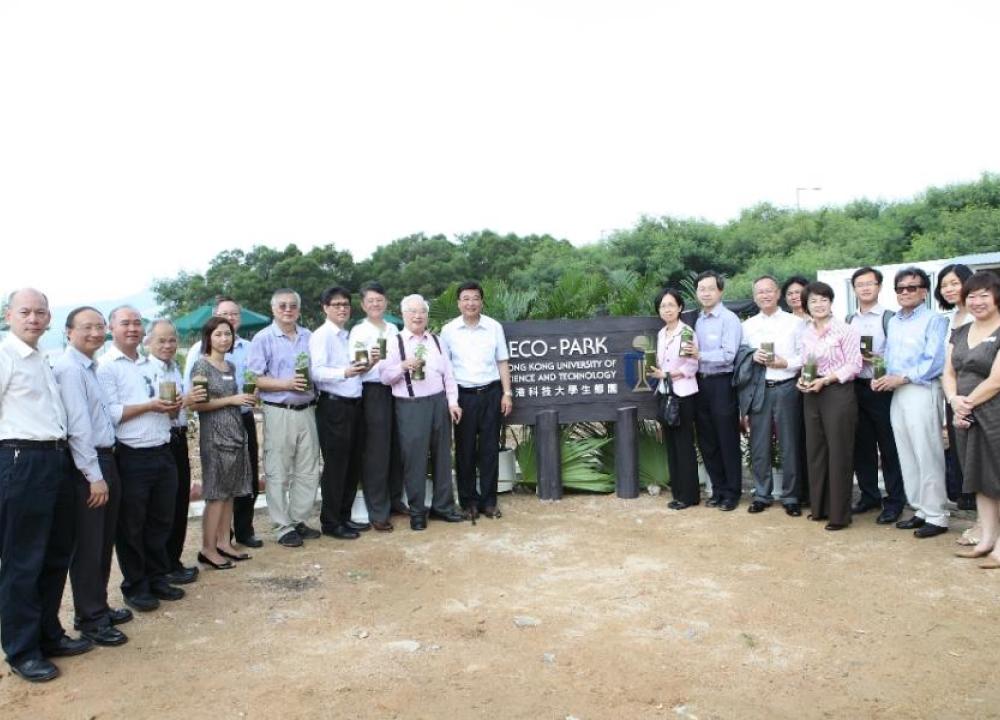
HKUST Builds Hong Kong's First Multi-purpose Eco-Park for Teaching and Research
The Hong Kong University of Science and Technology opened its multi-purpose Eco-Park, the first of its kind in Hong Kong, today (8 September) to promote teaching and academic research on sustainability from a wider perspective.
News
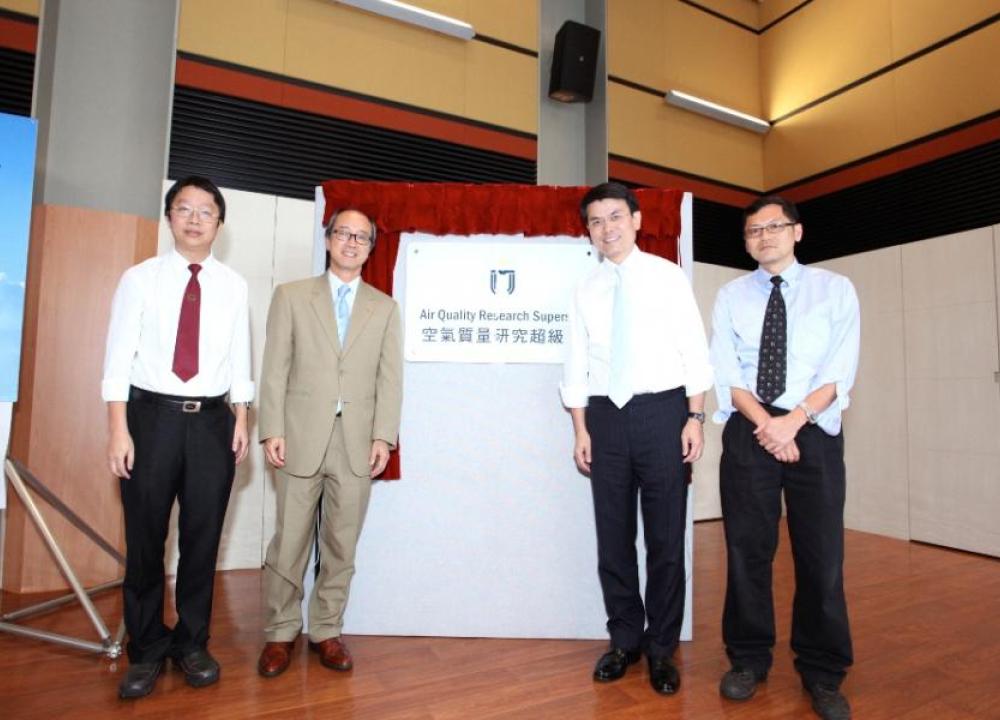
HKUST Launches First Air Quality Research Supersite for Real-time Characterization
The Hong Kong University of Science and Technology (HKUST) launches the first Air Quality Research Supersite to enhance air quality research and to tackle air pollution problems in Hong Kong and the Pearl River Delta. With a HK$9 million Special Equipment Grant from the University Grants Committee and a HK$6 million grant from the Environmental Conservation Fund, the Supersite enables real-time characterization of ambient particulate matter (PM) in the air to strengthen understanding of the nature and sources of fine particles.