






News & Stories
2026
Stories
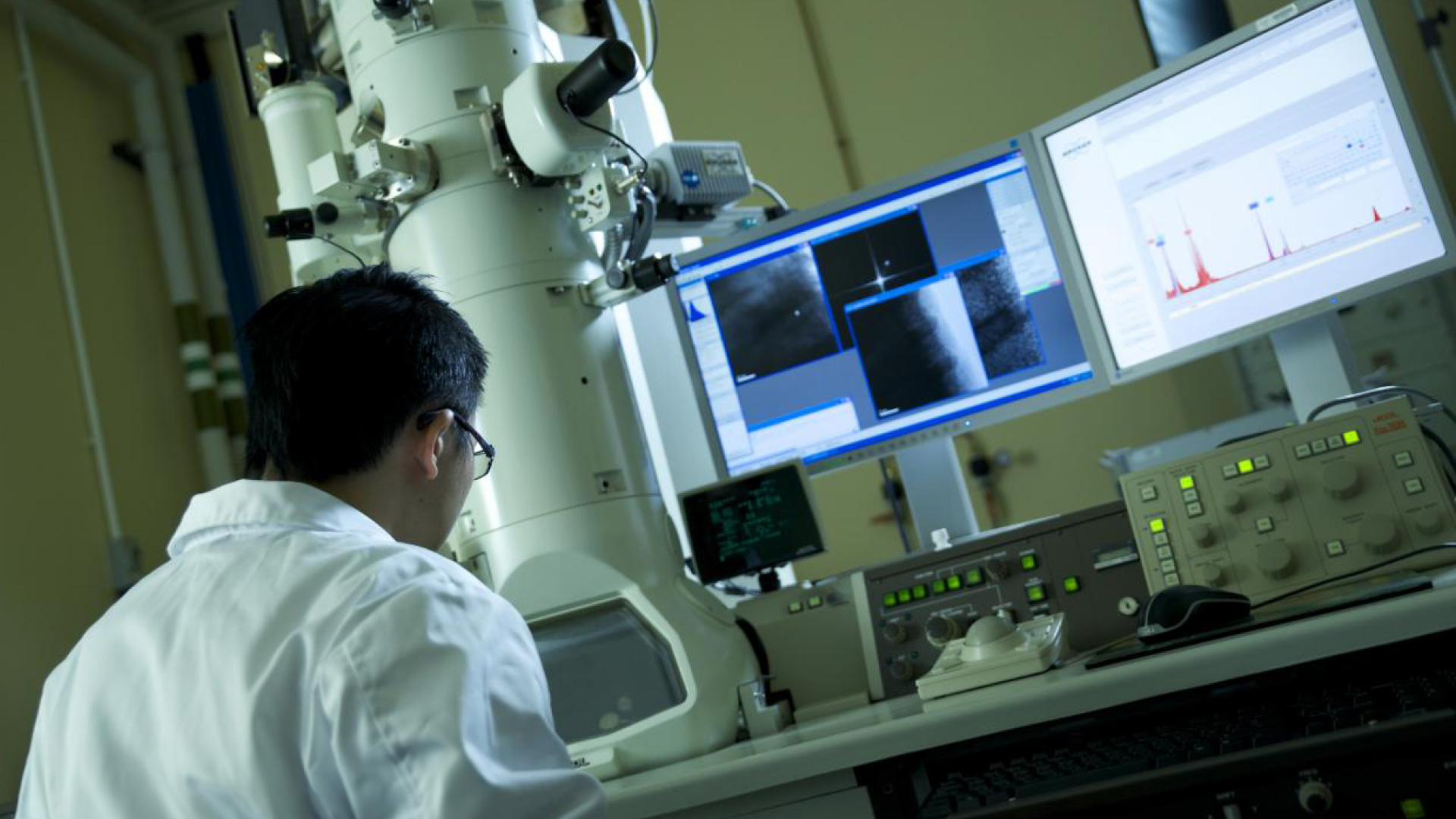
Unveiling the Secrets of RNA Silencing
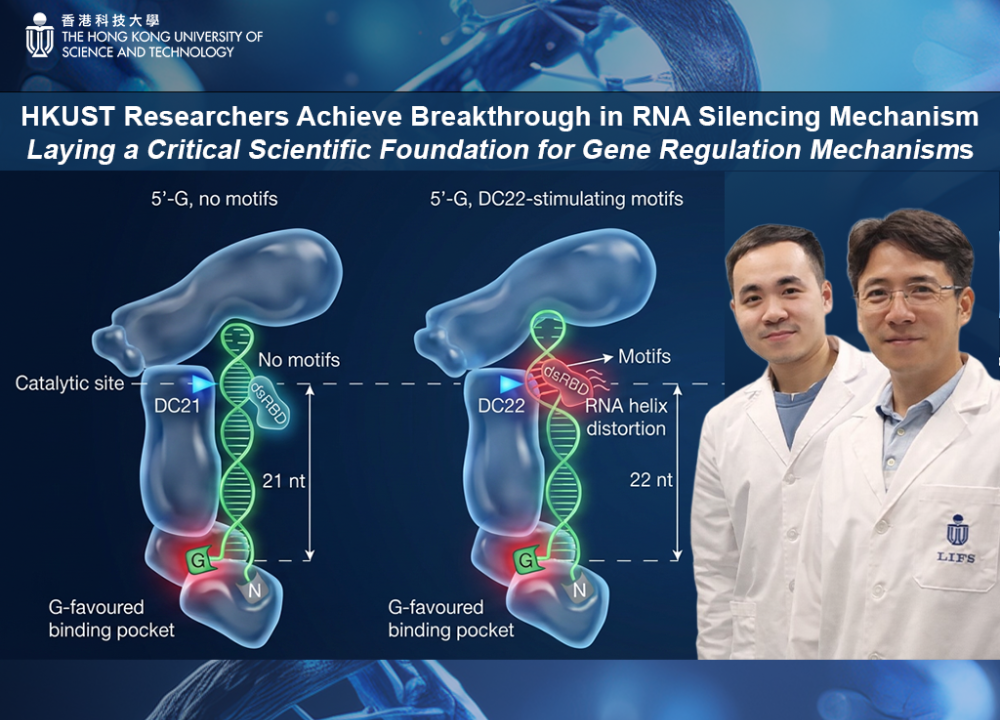
Boundless: What recent discovery has the HKUST research team made regarding the human enzyme DICER?Prof. Nguyen: Our discovery is genuinely groundbreaking. We found that the enzyme DICER, which is crucial for gene silencing, possesses a "dual-pocket" mechanism for measuring RNA. This is significant because it changes our understanding of how DICER interacts with RNA strands.Boundless: What exactly is “gene silencing”?Prof. Nguyen: Good question. Gene silencing means reducing or eliminating the expression of a specific gene. This process may occur naturally in cells or be induced artificially. Gene silencing is used to prevent the production of proteins from a targeted gene. This technique helps researchers study the function of a gene, investigate disease mechanisms, and develop gene-based therapies.
News
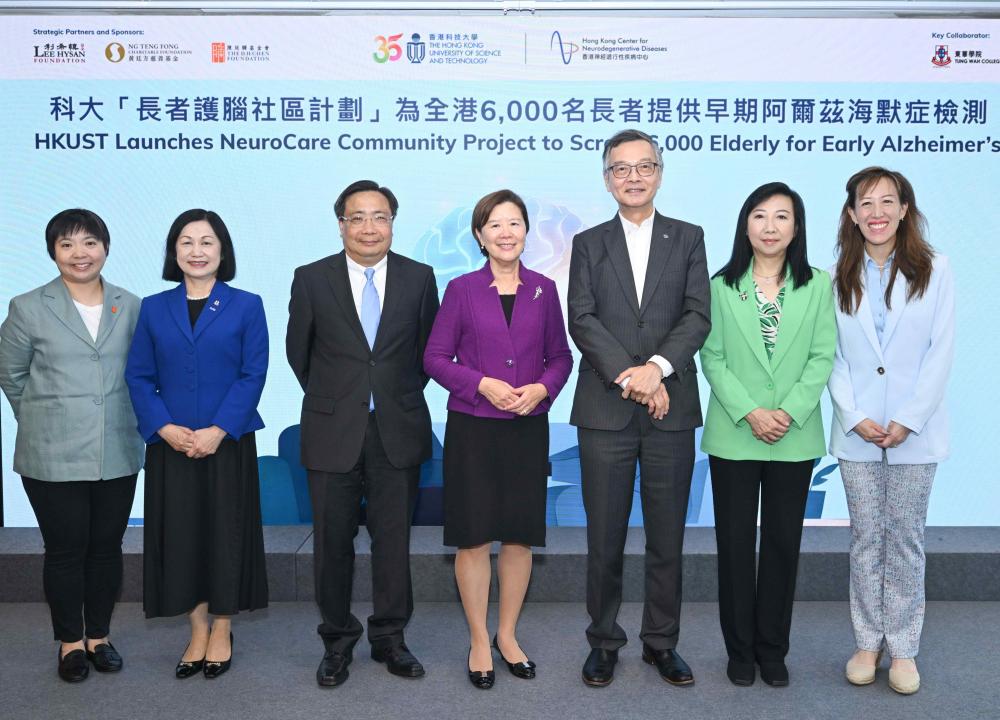
HKUST Launches NeuroCare Community Project to Screen 6,000 Elderly for Early Alzheimer’s
The Hong Kong University of Science and Technology (HKUST) today launched the NeuroCare Community Project (the Project), a five-year initiative to enhance early detection of Alzheimer’s risk for Hong Kong’s elderly who need support. Working with over 40 community centers under more than a dozen non-governmental organizations (NGOs), and in collaboration with Tung Wah College (TWC), the Project aims to screen 6,000 community-dwelling elderly aged 60-75, shifting the focus from late-stage diagnosis to proactive, community-based care.With the rapid aging of Hong Kong’s population, it is projected that by 2039, individuals aged 65 or above will account for over 30% of the total population, making early intervention for cognitive health an urgent necessity.
News
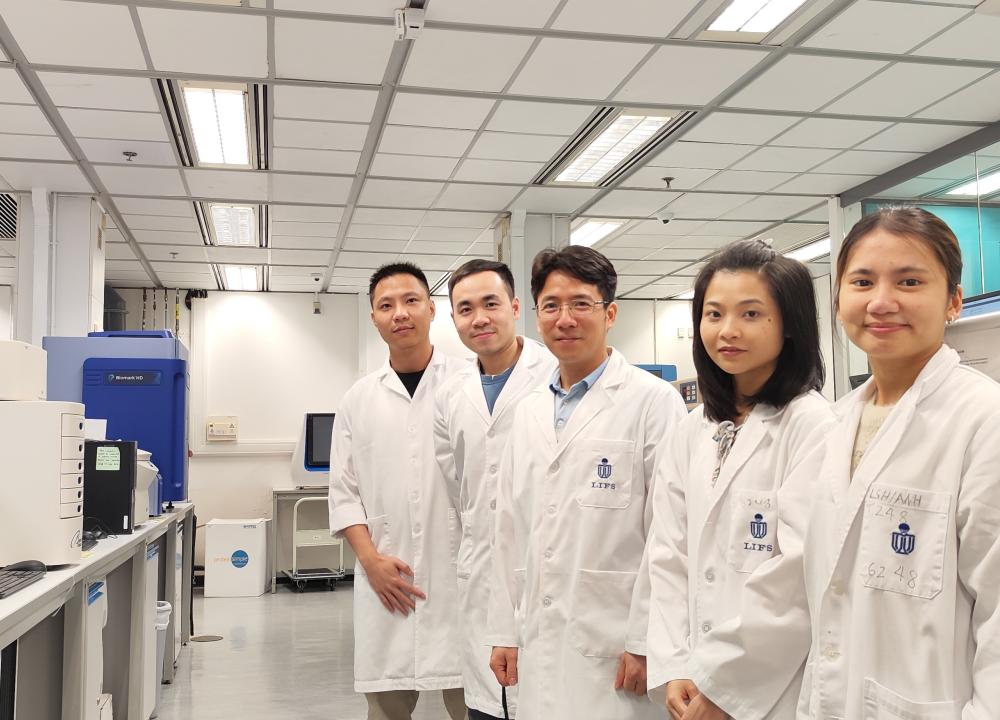
HKUST Researchers Achieve Breakthrough in RNA Silencing Mechanism
A research team from The Hong Kong University of Science and Technology (HKUST) has made a breakthrough discovery in understanding the molecular machinery of RNA silencing. The team uncovered how the human enzyme DICER achieves highly precise processing of microRNAs (miRNAs), advancing gene regulation research and offering new insights into the mechanisms underlying cancer, immune disorders, and genetic diseases.
News
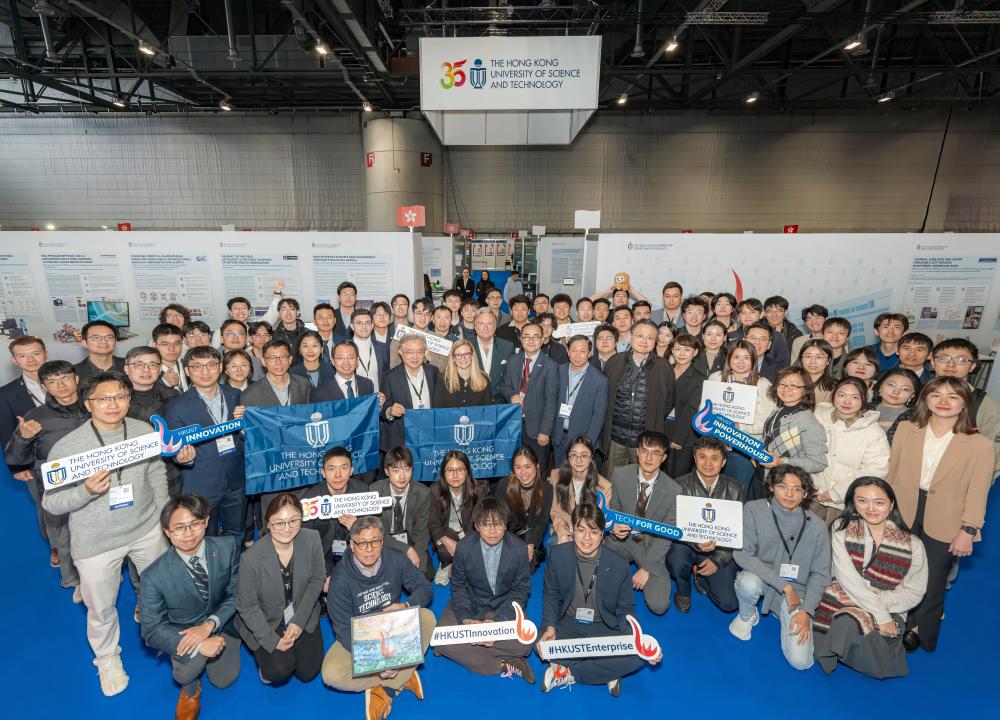
HKUST Wins Record-Breaking Accolades at 51st International Exhibition of Inventions Geneva
The Hong Kong University of Science and Technology (HKUST) won a total of 62 accolades at the 51st International Exhibition of Inventions Geneva (Geneva Inventions Expo). This resounding success underscores the University's exceptional capabilities in "AI + X" interdisciplinary innovation and its commitment to translating cutting-edge research into real-world impact.
News
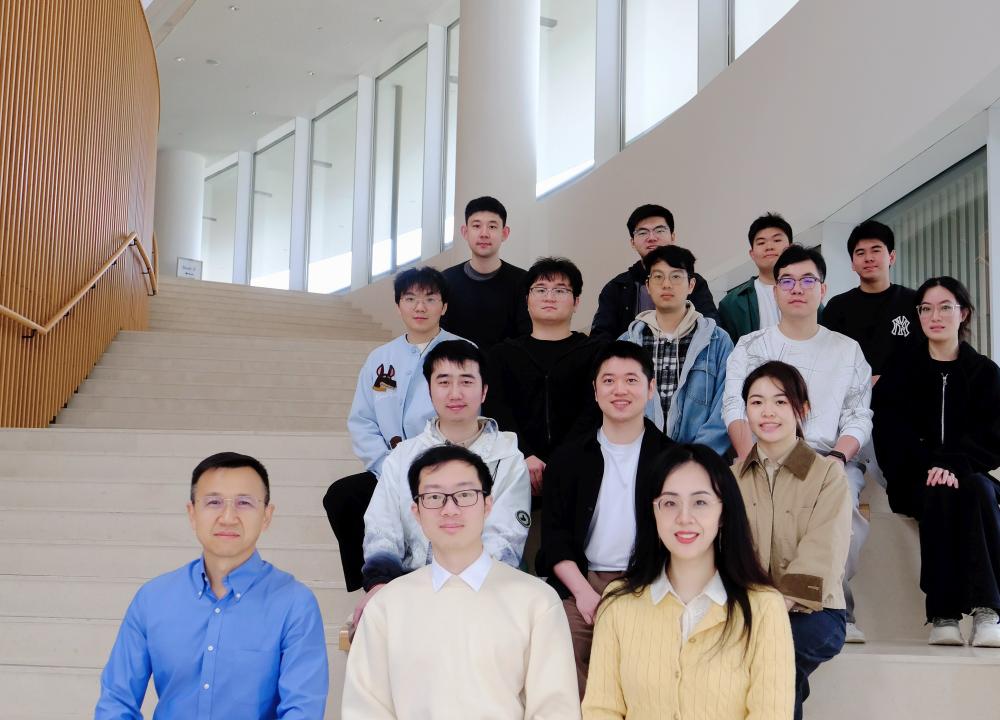
HKUST Pioneers Computational Models for Transregional Neural Activity to Re-establish Damaged Neural Connectivity, Offering New Hope to Patients
Researchers at The Hong Kong University of Science and Technology (HKUST) School of Engineering have achieved a major breakthrough in computational neural engineering. They have developed a novel reinforcement learning-based generative model to predict neural signals, creating an artificial information pathway that effectively bypasses damaged brain areas. This groundbreaking research opens up new possibilities for neural rehabilitation in patients suffering from motor or cognitive impairments caused by conditions such as stroke or spinal cord injury. Their study, titled “A generative spike prediction model using behavioral reinforcement for re-establishing neural functional connectivity”, has been published in the prestigious journal Nature Computational Science.
News
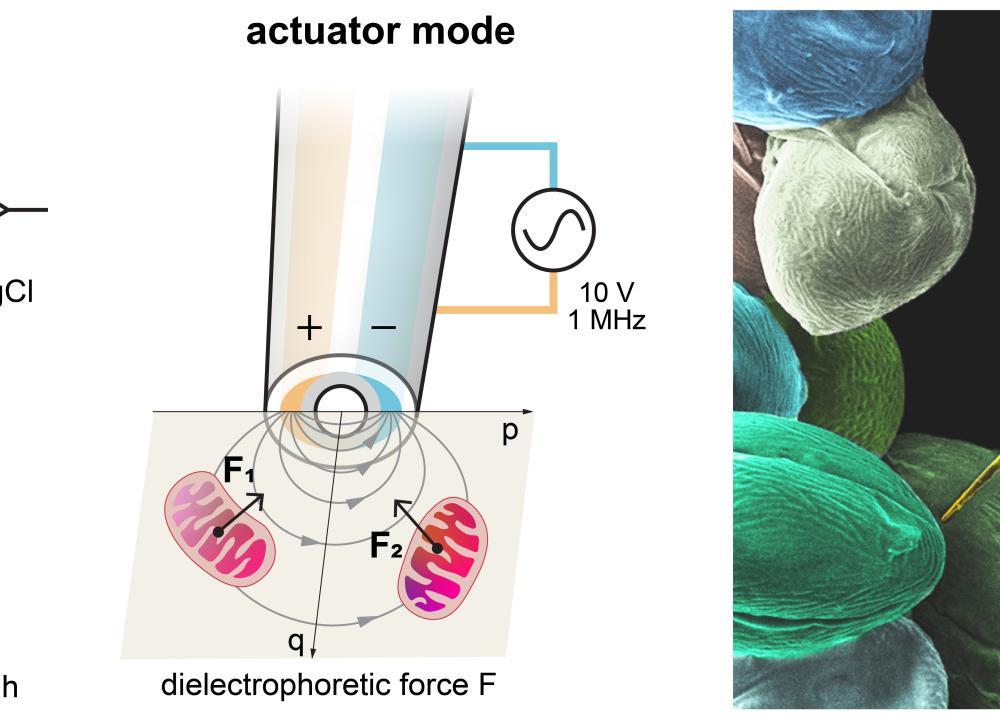
HKUST Co-develops Robotic Nanoprobe for Precise Mitochondria Extraction Charting New Directions in Research on Therapies for Neurodegenerative Diseases and Cancer
Mitochondrial dysfunction is associated with various chronic diseases and cancers, including neurodegenerative diseases and metabolic syndrome. Gently extracting a single mitochondrion from within a living cell—without causing damage and without the guidance of fluorescent makers—has long been a challenge akin to threading a needle in a storm for scientists.
News
13 HKUST Research Projects Secure Top Funding from RGC Collaborative Research Fund and Research Impact Fund
The Hong Kong University of Science and Technology (HKUST) has demonstrated outstanding research leadership in the 2025/26 Collaborative Research Fund (CRF) and Research Impact Fund (RIF) under the University Grants Committee (UGC)'s Research Grants Council (RGC). The University secured funding for 13 projects under the CRF and RIF, with grants totaling more than HKD77 million. The achievement places HKUST first among all UGC-funded universities in both the number of funded projects and total funding received. This accomplishment highlights HKUST's strength in pioneering interdisciplinary and cross-institutional research, as well as its exceptional capacity for knowledge transfer in translating cutting-edge research outcomes into real-world impact that enhances societal well-being.
2025
News
HKUST Researchers Uncover Key Transport Mechanisms in Cells, Shedding Light on Causes of Genetic Diseases
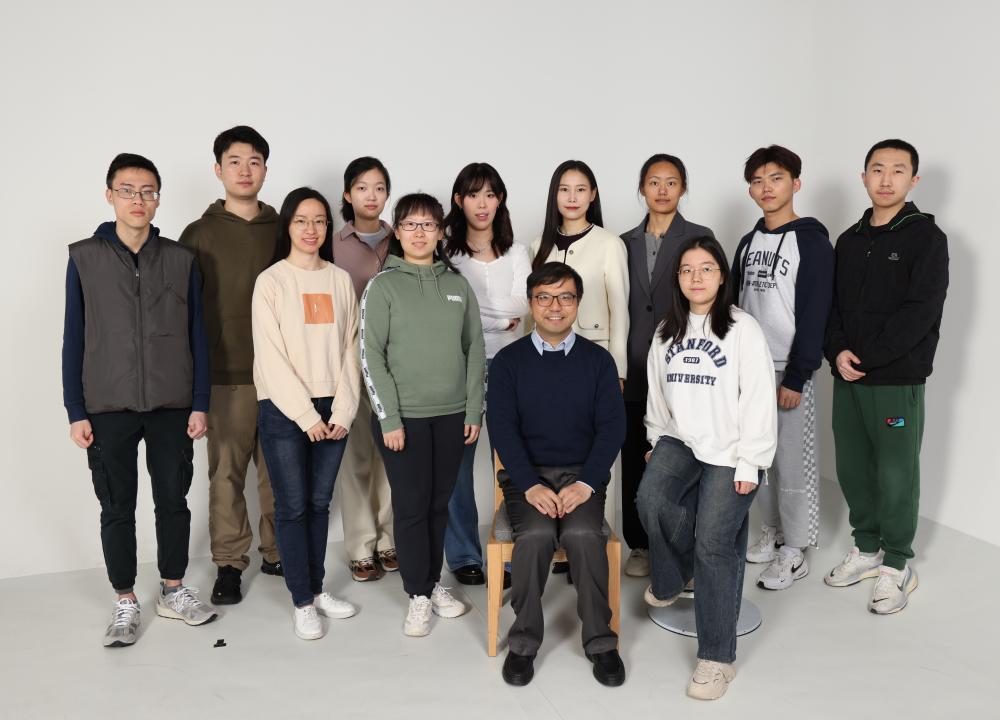
A research team led by Prof. GUO Yusong, Associate Professor of the Division of Life Science at The Hong Kong University of Science and Technology (HKUST) has made a significant breakthrough in understanding how cells manage the intricate internal transport of proteins, a process fundamental to life and implicated in several hereditary diseases. By employing an innovative vesicle proteomics platform, the team has systematically identified new cargo proteins and key accessory factors for two critical cellular transport complexes, AP-1 and AP-4. The findings, published in Proceedings of the National Academy of Sciences (PNAS), combine innovative vesicle reconstitution techniques with quantitative mass spectrometry-based proteomics to unveil a comprehensive map of previously unknown cargo proteins and regulatory factors.