


HKUST In The Media
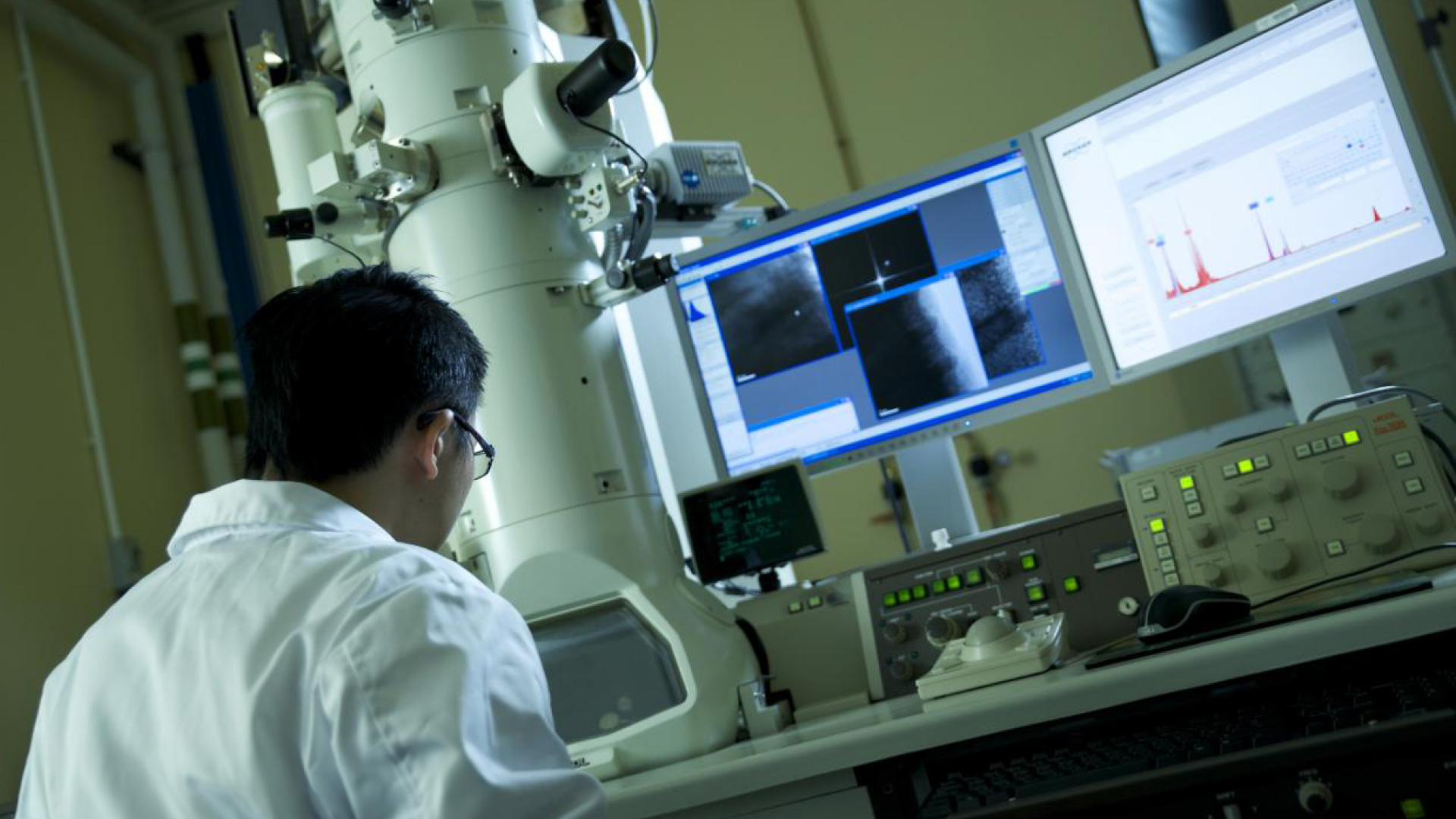
A research team led by MAE Prof. Jinglei YANG, together with Widex, introduced the first-generation light-capturing functional nano-coating to Vietnam. The team is currently developing a second-generation quantum dot photovoltaic conversion enhancement coating to further increase energy conversion efficiency.
A delegation led by P Prof. Nancy IP, Provost Prof. GUO Yike, VPIA Prof. Charles NG Wang-Wai, and Council Member and Convocation Chairman Mr. Terry TSANG Kin-Chung, visited Ningbo. The delegation toured Ningbo Yongxin Optics, exploring opportunities for collaborative innovation across industry, academia, and research.
LIFS Post-doctoral Fellow Dr. Jeff LAM Yui-Long has been awarded "The Jockey Club STEM Early Career Research Fellowship for Translation and Application." Specializing in the APOE4 gene – the strongest genetic risk factor for Alzheimer's disease – Dr. Lam uses stem cells and mouse models to explore treatment plans.
HKUST received a gold medal with its UAV first-responder system "AeroRelief" at the 51st Geneva Inventions Expo. The system makes good use of AI analysis and automatic planning to quickly deliver supplies such as AEDs and address "blind spots" in suburban areas, which will improve the rescuing capacity in emergency response in severe weather in the future.
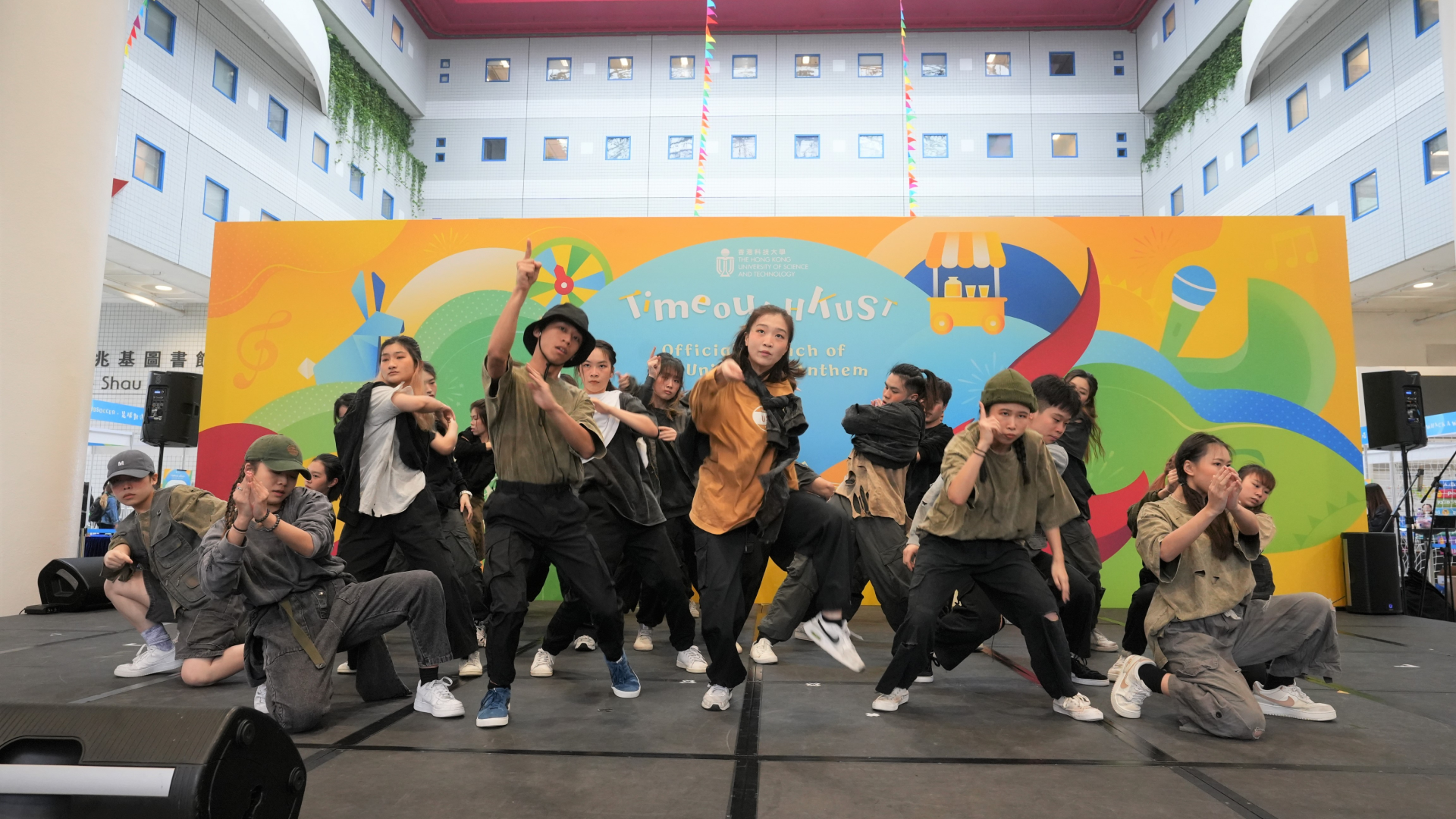
HKUST presented the Guo Gan and His Friends International Concert, organized by SHSS and co-organized by the Hong Kong Association of China Business. The concert featured a global ensemble of musicians, aimed at fostering cultural exchange between China and the international community.