

News & Stories
2026
News
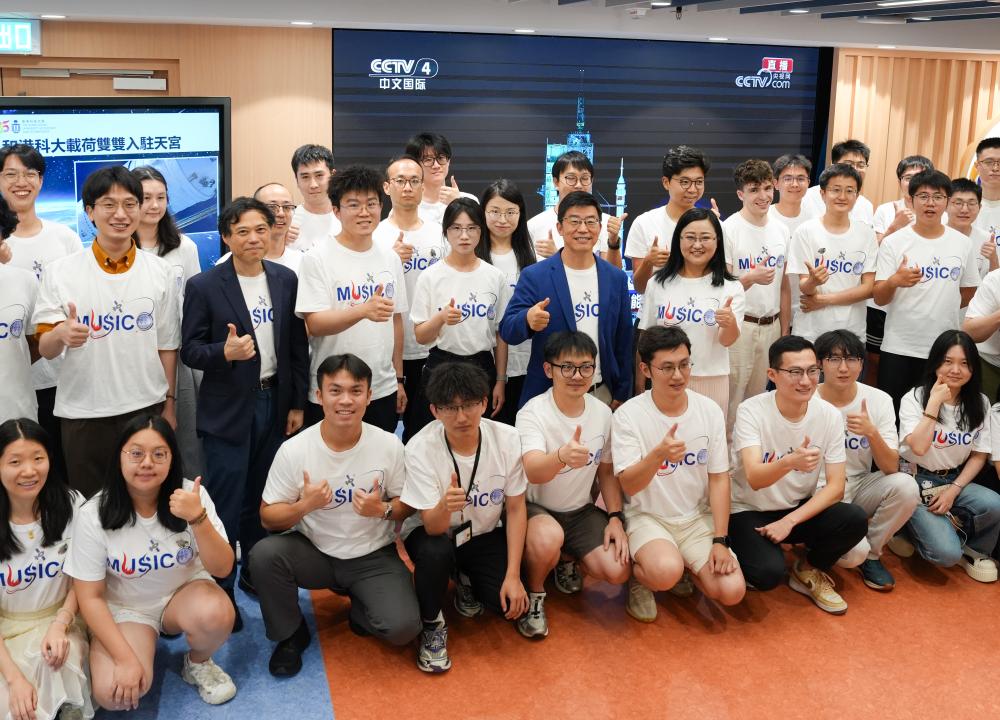
HKUST Faculty and Students Gather on Campus to Celebrate the Successful Launch of the Shenzhou‑23 Manned Spacecraft (Chinese Version Only)
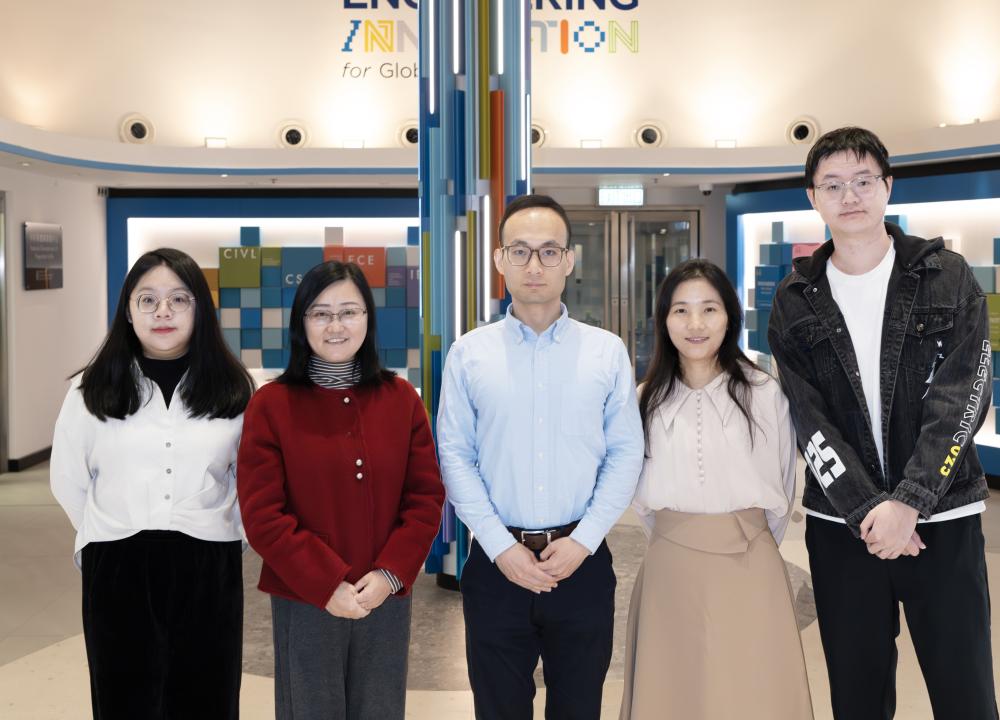
神舟二十三號載人飛船順利升空,並首次有香港載荷專家參與國家航天任務,為香港航天發展譜寫嶄新篇章。為見證這歷史性時刻,香港科技大學(科大)約50名師生今日齊聚校園,共同觀看電視直播,現場氣氛熱烈高漲。當火箭騰飛一刻,師生們紛紛報以熱烈掌聲及歡呼,對能夠同步見證國家航天任務圓滿成功,均感到無比激動與自豪。 近年來,科大科研團隊積極及深度參與國家航天任務。在現場觀看直播的師生之中,不少亦曾參與由科大團隊牽頭研製的全球首款輕小型、高分辨率、高精度二氧化碳與甲烷點源協同探測儀——「天韻相機」(MUSICO)項目。該項目由多位科大教授領導,包括科大土木及環境工程學系講座教授蘇慧教授、土木及環境工程學系系主任兼講座教授張利民教授,以及新興跨學科領域學部副教授翟成興教授。 曾於美國太空總署(NASA)任職長達17年的大氣科學專家蘇慧教授表示:「看到火箭順利升空,大家心情都無比激動,難以言喻。航天任務從研發到發射,每一個環節都需要大量專家與科研人員傾注心力,付出巨大努力;當中涉及的技術攻關與嚴謹測試,確實不計其數。我們亦特別為今次有來自香港的載荷專家參與其中而深感自豪,衷心祝願她在天宮太空站上各項任務圓滿成功。」
News
HKUST Researchers Reveal How Tropical Pacific Climate Shifts Amplify Arctic Sea‑Ice Melt
Led by scholars from The Hong Kong University of Science and Technology (HKUST), a research team has discovered that, since the early 2000s, both sea surface temperature changes near the equator and the associated atmospheric adjustments over the Pacific have accelerated markedly—becoming a key driver of the increasingly rapid loss of Arctic sea ice during autumn. The findings highlight that, under ongoing global warming, climate linkages between distant regions are far more dynamic and complex than previously understood.
News
HKUST Study Reveals Why Tropical Cyclones Rainfall Surges Before Landfall
A research team at The Hong Kong University of Science and Technology (HKUST) has analyzed 40 years of data covering around 1,500 tropical cyclones and discovered that average rain rates surge by more than 20% in the 60 hours before landfall. The study is also the first to clearly identify the physical mechanisms behind this increase, showing that rising humidity over coastal areas and enhanced land-sea frictional contrasts strengthen convection, intensifying rainfall ahead of landfall. The results provide valuable insights for improving coastal disaster preparedness and early‑warning systems.
2025
News
HKUST Researchers Unlock Why Arctic Ice Melt Paused
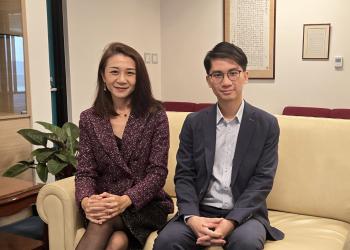
A research team led by The Hong Kong University of Science and Technology (HKUST) scholars has discovered a significant slowdown in Arctic sea ice melting since 2012, with the decrease rate of 11.3% per decade to an insignificant downward trend of only −0.4% per decade. This phenomenon is closely related to a shift in the North Atlantic Oscillation (NAO) pattern, from a negative phase to its positive phase, which traps cold air within the Arctic region. It is projected to peak between 2030 and 2040, after which the Arctic could enter a new phase of accelerated ice melt. Without reductions in greenhouse gas emissions, this may trigger severe climate and environmental crises within decades.
News
HKUST-Led Study Warns of Climate “Whiplash” Threatening Global Stability by 2064
A groundbreaking climate study led by The Hong Kong University of Science and Technology (HKUST), in collaboration with an international research team, reveals that a under high-emission scenario, Northern Hemisphere summer monsoons region will undergo extreme weather events starting in 2064. Asia and broader tropical regions will face frequent "subseasonal whiplash" events, characterized by extreme downpours and dry spells alternating every 30 to 90 day which triggers climate disruptions with catastrophic impacts on food production, water management, and clean energy systems.
News
HKUST and PolyU Inaugurate State Key Laboratory of Climate Resilience for Coastal Cities
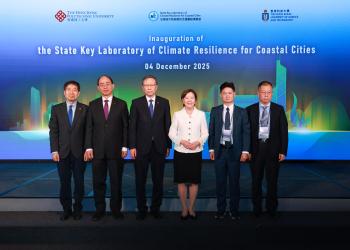
Approved by the Ministry of Science and Technology (MOST) of the People’s Republic of China, the State Key Laboratory of Climate Resilience for Coastal Cities (SKL-CRCC) – jointly established by The Hong Kong University of Science and Technology (HKUST) and The Hong Kong Polytechnic University (PolyU) – was officially inaugurated today. Dedicated to addressing the challenges posed by climate change, the Laboratory aims to enhance infrastructure resilience in Hong Kong, the Chinese Mainland and coastal cities worldwide. Its core missions include strengthening climate-risk early-warning systems and emergency response capabilities, and promoting sustainable development to address challenges posed by climate change. Concurrently, a two-day international symposium is being held, bringing together world-leading experts and scholars to discuss how climate resilience in coastal cities can be strengthened globally.
News
HKUST Unites International Experts in CliMetS Initiative to Tackle Climate Threat of Seabed Methane Seeps
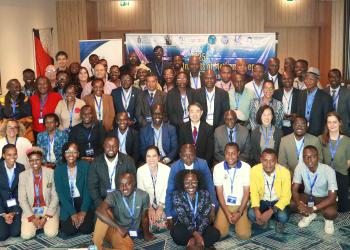
The Hong Kong University of Science and Technology (HKUST) has successfully launched the Global Climate Impact of Methane Seeps (CliMetS) Initiative through a pivotal collaboration with the Southern Marine Science and Engineering Guangdong Laboratory (Guangzhou) (GML) and over 200 experts worldwide. Endorsed as a UN Ocean Decade Action, CliMetS is dedicated to mapping seabed methane seeps across the world’s oceans and quantifying their impact on global climate systems. Recently, HKUST co-led two milestone workshops in South America and Africa, galvanizing global efforts to address methane seep research gaps and fostering cross-continental partnerships.